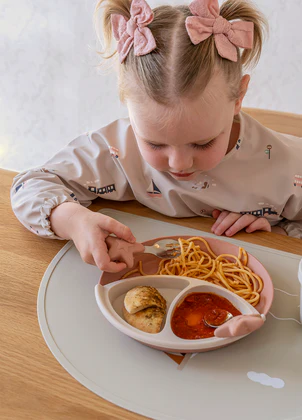
Mealtimes sometimes become a struggle when little ones refuse to eat their greens or proteins. Making food look pretty helps catch their eye and builds excitement for healthy snacks. Simple shapes and bright colors turn a boring meal into a fun event. Small changes to how food looks can make a big difference during dinner.
In this article, we look at the best way to set up a kids plate.
Silly faces:
Use round pancakes or sandwiches to make a head. Slices of banana or cucumber work well for eyes. A thin strip of red pepper or a slice of apple makes a happy mouth. Use peas or corn to add hair around the top. This makes the meal look friendly and less scary for picky eaters.
Food rainbows:
Group fruits and vegetables by color to make a bright arc. Use strawberries for red, oranges for orange, and grapes for purple. Place them in rows to mimic a sky full of color. Kids love to pick their favorite shade and eat through the whole spectrum. It makes eating a variety of vitamins very easy.
Shape cutouts:
Use cookie cutters to turn bread, cheese, or melon into stars and hearts. Instead of plain squares, these fun shapes make the food look like toys. You can stack them or lay them flat. Small stars are easy to grab with tiny hands and make the meal feel special without much extra work.
Garden scenes:
Broccoli trees are a classic way to make a forest on the table. Use mashed potatoes for the ground and carrot sticks for a fence. You can even use a hard-boiled egg to act as a sun in the corner. Creating a small world helps children interact with their food in a positive way.
Protein tracks:
Line up pieces of chicken or beans to look like a long train or a race track. Use dipping sauce at the end of the line as a prize. This encourages kids to eat one piece at a time until they reach the finish line. It keeps them focused on the task while having fun.
Color patterns:
Alternate different colors of food in a circle around the edge. Use one green grape and then one red grape. This creates a rhythm that captures their attention. Patterns are easy for young minds to follow and make the arrangement look neat and organized.Mealtimes sometimes become a struggle when little ones refuse to eat their greens or proteins. Making food look pretty helps catch their eye and builds excitement for healthy snacks. Simple shapes and bright colors turn a boring meal into a fun event. Small changes to how food looks can make a big difference during dinner.
In this article, we look at the best way to set up a kids plate.
Silly faces:
Use round pancakes or sandwiches to make a head. Slices of banana or cucumber work well for eyes. A thin strip of red pepper or a slice of apple makes a happy mouth. Use peas or corn to add hair around the top. This makes the meal look friendly and less scary for picky eaters.
Food rainbows:
Group fruits and vegetables by color to make a bright arc. Use strawberries for red, oranges for orange, and grapes for purple. Place them in rows to mimic a sky full of color. Kids love to pick their favorite shade and eat through the whole spectrum. It makes eating a variety of vitamins very easy.
Shape cutouts:
Use cookie cutters to turn bread, cheese, or melon into stars and hearts. Instead of plain squares, these fun shapes make the food look like toys. You can stack them or lay them flat. Small stars are easy to grab with tiny hands and make the meal feel special without much extra work.
Garden scenes:
Broccoli trees are a classic way to make a forest on the table. Use mashed potatoes for the ground and carrot sticks for a fence. You can even use a hard-boiled egg to act as a sun in the corner. Creating a small world helps children interact with their food in a positive way.
Protein tracks:
Line up pieces of chicken or beans to look like a long train or a race track. Use dipping sauce at the end of the line as a prize. This encourages kids to eat one piece at a time until they reach the finish line. It keeps them focused on the task while having fun.
Color patterns:
Alternate different colors of food in a circle around the edge. Use one green grape and then one red grape. This creates a rhythm that captures their attention. Patterns are easy for young minds to follow and make the arrangement look neat and organized.
About the Author